MORE LITTLE ANECDOTES inspired by real estate (perhaps the last batch, at least for a while). This time, we ponder why old fake architecture’s more durable than new fake architecture.
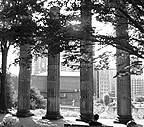 Just ’cause Seattle’s only 149 years old and in North America, that doesn’t mean we can’t have Roman ruins (well, sort of). The four, beautifully-decaying columns adorning this lookout point near Pine and Boren came from the original University of Washington building, which had been where the Olympic Hotel is now. These days, neighborhood activists are trying to preserve the lookout’s views, threatened by city plans to permit more high-rise buildings in the Denny Triangle district just beneath it.
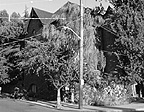 Compared to the box-of-leaky-fake-stucco look of many modern “luxury” apartments and condominiums, Frederick Anhalt’s Capitol Hill buildings of the ’20s look more astounding than ever. His Tudor brick and Norman-style bungalow apartments featured individual entrances and felt more like homes than rental units. The Depression wiped out his company; until his death in 1996, he ran a garden-supply store and nursery near University Village. Many of Anhalt’s buildings today command premium rents or condo prices–including this classic on East Roy Street, known to ’80s comic-book readers as the “Sherwood Florist” building in DC’s “Green Arrow.”
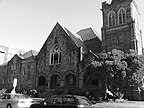 The former Capitol Hill Methodist Church was built back in the late 1880s, as the area surrounding 16th and John was first filling with residences. In the 1990s, the dwindling congregation (one of the first in the state to openly welcome gay and lesbian churchgoers) formally dissolved. While the exterior is protected as a city landmark, the interior was redone as an architects’ office. (Former workers there claim the building’s haunted by a former pastor.) Now, One Reel Productions (producers of Bumbershoot, WOMAD USA, and Summer Nights on the Pier) are reportedly interested in the structure as an office for its growing entertainment empire.
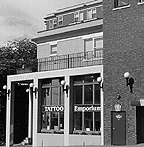 The “golden ages” of some entertainment genres are hard to define. But many connisseurs of sex films define that form’s peak as the 1970-87 era of theatrical porno; after “stag films” emerged from the underground into real theaters, but before home video and zoning restrictions across the country put many of the theaters out of business. After ’87, when the last on-film theatrical porno was released, most remaining adult cinemas switched to video-projection systems. The Apple Theater was one of the last film-based porno houses left in the U.S. when it was razed in 1998, as part of an affordable-housing project. The new building’s storefront tenant is in a different “skin trade,” that of tattoos.
TOMORROW: Bremerton, just possibly the most surreal town on the planet.
IN OTHER NEWS: Perhaps never has so much fuss arisen over the firing of a prize-pointer.
ELSEWHERE:


